Community Sport
Community sport plays a vital role in bringing people together, promoting physical health, and fostering social connections. Explore resources that support local programs, and encourage participation across all ages and abilities.
Search Community Sport Resources
Top 10 resources
- Policy Framework for Recreation in Canada
- Long Term Athlete Development Model
- SIRCuit Article: Leveling the playing field: Accessibility in youth basketball
- SIRC Article: Schools play a key role in supporting youth physical activity
- SIRCuit Article: Taking Action: Community Sport Organizations and Social Responsibility
- SCRI Panel: Trending topics in youth sport
- SIRCuit Article Building Capacity in Community Sport Organizations
- SIRCuit Article: Giving Due Deliberation to Masters Athletes: The Time has Come
- Power of Sport: The True Sport Report 2022
- SCRI Keynote: Punching above our weight – The balance is better journey of culture change in New Zealand Aotearoa

Featured resource
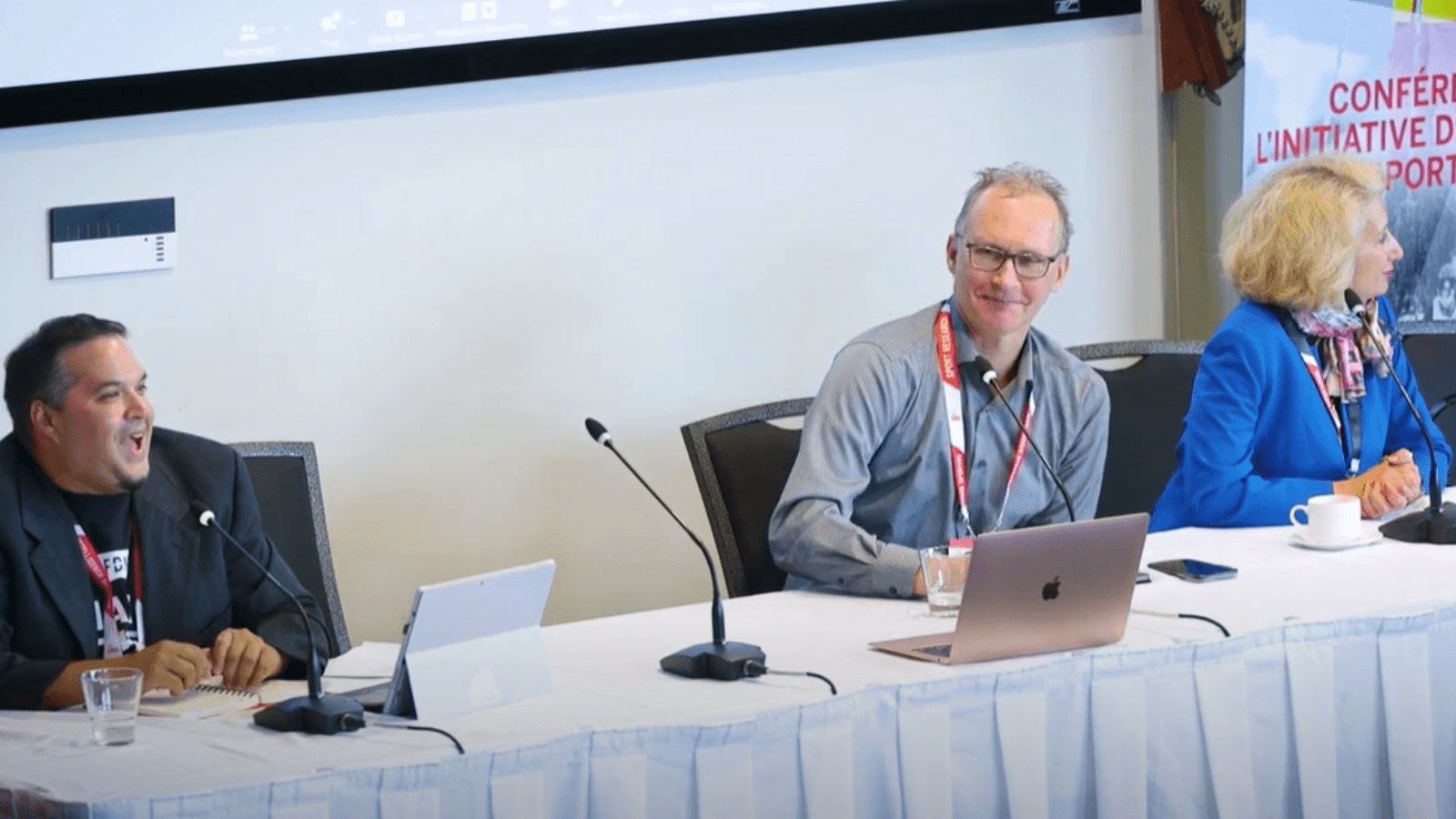
Patti Millar, University of Windsor

Featured resource
SIRC and Queen's University
Quick Facts
What is community sport?
Community sport refers to organized physical activities that take place within a local community and are accessible to people of all ages, skill levels, and backgrounds. These activities are typically non-competitive or recreational and are designed to promote health, social interaction, and community engagement.
They are often organized by local clubs, schools, recreational centers, or community groups and can include a wide range of activities such as youth soccer leagues, adult basketball games, swimming lessons, and fitness classes. The focus is on participation, enjoyment, and fostering a sense of belonging within the community.
What are the benefits of participating in community sport?
The benefits that contribute to individual well-being, social cohesion, and overall community health include:
- Physical Health: Can improve cardiovascular health, enhances strength and endurance, and helps in maintaining a healthy weight.
- Mental Health: Can reduce stress, anxiety, and depression, and provide an opportunity for social interaction, which can improve mental well-being.
- Social Inclusion: Can foster a sense of belonging and inclusion by bringing together individuals from diverse backgrounds, building relationships and strengthening community bonds.
- Skill Development: Helps individuals develop physical skills, teamwork, leadership, and discipline, which can be beneficial in other areas of life.
- Youth Development: For young people, it can offer an outlet for energy, teaching important life skills, and providing positive role models.
- Community Engagement: Events and activities encourage volunteerism, local pride, and community spirit, contributing to a more connected and supportive community.
- Economic Benefits: Can boost local economies by attracting visitors, creating jobs, and promoting local businesses through events and activities.
How does community sport support youth development?
It plays a vital role in youth development by providing a structured environment for learning teamwork, discipline, leadership, and resilience. It also promotes healthy lifestyles and positive social interactions. Through regular participation, young people gain valuable life skills, build self-esteem, and develop a strong sense of community, which contributes to their overall growth and future success.
What is the Long-Term Athlete Development (LTAD) model?
The Long-Term Athlete Development (LTAD) framework is designed to guide the development of athletes from early childhood through to adulthood. It outlines specific stages to optimize training, competition, and recovery according to the age and development of the athlete. The stages are:
- Active Start
- FUNdamentals
- Learn to Train
- Train to Train
- Train to Compete
- Train to Win
- Active for Life
The LTAD ensures that athletes develop their skills and physical abilities at the appropriate pace, reducing the risk of burnout and injury. By emphasizing age-appropriate development and long-term progression, the LTAD model supports sustainable growth and peak performance in sports.
Video Resources
Problematizing the pathways to elite athlete development in Indigenous Canada
- McGill University and SIRC
- 2022
Reimagining High School Sport Coaching through a Social Justice Lens
- Brock University
- 2024
The Role of Growth and Maturation on Sports Participation
- University of Saskatchewan and SIRC
- 2016
SCRI Research Plenary: Impact of sport participation among adolescents
- University of Quebec at Chicoutimi, Deh Gáh Elementary and Secondary School, and SIRC
- 2023
SCRI Keynote: Re-imagining sport through the power of strategic partnerships
- SIRC and Tennis Canada
- 2024
2021 Sport Canada Research Initiative Conference Poster Session
- York University, Queen's University and SIRC
- 2021
Knowledge Nuggets
knowledge nuggets
Rethinking youth sport dropout
Rethinking youth sport dropout: Researchers are challenging the idea that leaving organized sport is always negative. Youth may disengage for many reasons from exploring new
knowledge nuggets
Who sport reaches
Who sport reaches: Sport participation doesn’t unfold evenly. Large-scale evidence reveals consistent patterns in who sport reaches, and who it doesn’t.
knowledge nuggets
Why girls walk away
Why girls walk away: If you could go back in time, what would you tell your younger self about staying in sport? Young women who
knowledge nuggets
Menstrual Health, Missing Support
Menstrual Health, Missing Support: For women with intellectual disabilities, gaps in menstrual health knowledge can affect independence, wellbeing and sport participation. This brief report highlights
knowledge nuggets
Sport for Every Kid
Sport for Every Kid: Inclusive coaching works. Flexibility, child empowerment, and family collaboration create quality sport experiences that keep kids with disabilities engaged.
knowledge nuggets
The State of Youth Sport, From Their Eyes
The State of Youth Sport, From Their Eyes: From bullying to body image, fandom to belonging, Ontario youth reveal what works and what doesn’t in
The State of Youth Sport, From Their Eyes: From bullying to body image, fandom to belonging, Ontario youth reveal what works and what doesn’t in sport today.
knowledge nuggets
Protect the Joy of Sport
Protect the Joy of Sport: Too many kids quit sport because the adults around them lose sight of what matters. This book offers research-based, practical
knowledge nuggets
More Than an Exit
More Than an Exit: Leaving sport isn’t a moment, it’s a process. This review maps what athletes lose and what support makes the difference.
More Community Sport Resources
|
|
|
|
|
|