Community Sport
Community sport plays a vital role in bringing people together, promoting physical health, and fostering social connections. Explore resources that support local programs, and encourage participation across all ages and abilities.
Search Community Sport Resources
Top 10 resources
- Policy Framework for Recreation in Canada
- Long Term Athlete Development Model
- SIRCuit Article: Leveling the playing field: Accessibility in youth basketball
- SIRC Article: Schools play a key role in supporting youth physical activity
- SIRCuit Article: Taking Action: Community Sport Organizations and Social Responsibility
- SCRI Panel: Trending topics in youth sport
- SIRCuit Article Building Capacity in Community Sport Organizations
- SIRCuit Article: Giving Due Deliberation to Masters Athletes: The Time has Come
- Power of Sport: The True Sport Report 2022
- SCRI Keynote: Punching above our weight – The balance is better journey of culture change in New Zealand Aotearoa

Featured resource
Patti Millar, University of Windsor
Featured resource
SIRC and Queen's University

Quick Facts
What is community sport?
Community sport refers to organized physical activities that take place within a local community and are accessible to people of all ages, skill levels, and backgrounds. These activities are typically non-competitive or recreational and are designed to promote health, social interaction, and community engagement.
They are often organized by local clubs, schools, recreational centers, or community groups and can include a wide range of activities such as youth soccer leagues, adult basketball games, swimming lessons, and fitness classes. The focus is on participation, enjoyment, and fostering a sense of belonging within the community.
What are the benefits of participating in community sport?
The benefits that contribute to individual well-being, social cohesion, and overall community health include:
- Physical Health: Can improve cardiovascular health, enhances strength and endurance, and helps in maintaining a healthy weight.
- Mental Health: Can reduce stress, anxiety, and depression, and provide an opportunity for social interaction, which can improve mental well-being.
- Social Inclusion: Can foster a sense of belonging and inclusion by bringing together individuals from diverse backgrounds, building relationships and strengthening community bonds.
- Skill Development: Helps individuals develop physical skills, teamwork, leadership, and discipline, which can be beneficial in other areas of life.
- Youth Development: For young people, it can offer an outlet for energy, teaching important life skills, and providing positive role models.
- Community Engagement: Events and activities encourage volunteerism, local pride, and community spirit, contributing to a more connected and supportive community.
- Economic Benefits: Can boost local economies by attracting visitors, creating jobs, and promoting local businesses through events and activities.
How does community sport support youth development?
It plays a vital role in youth development by providing a structured environment for learning teamwork, discipline, leadership, and resilience. It also promotes healthy lifestyles and positive social interactions. Through regular participation, young people gain valuable life skills, build self-esteem, and develop a strong sense of community, which contributes to their overall growth and future success.
What is the Long-Term Athlete Development (LTAD) model?
The Long-Term Athlete Development (LTAD) framework is designed to guide the development of athletes from early childhood through to adulthood. It outlines specific stages to optimize training, competition, and recovery according to the age and development of the athlete. The stages are:
- Active Start
- FUNdamentals
- Learn to Train
- Train to Train
- Train to Compete
- Train to Win
- Active for Life
The LTAD ensures that athletes develop their skills and physical abilities at the appropriate pace, reducing the risk of burnout and injury. By emphasizing age-appropriate development and long-term progression, the LTAD model supports sustainable growth and peak performance in sports.
Video Resources
The Role of Growth and Maturation on Sports Participation
- University of Saskatchewan and SIRC
- 2016
Towards the development of an online athlete leadership training program
- University of Windsor and SIRC
- 2022
SCRI Keynote: Punching above our weight
- Sport New Zealand and SIRC
- 2023
Physical Activity Facilitators & Barriers for Children with ASD
- McGill University and SIRC
- 2022
A multi-level understanding of concussion reporting and removal from play in youth Sport
- Western University and SIRC
- 2023
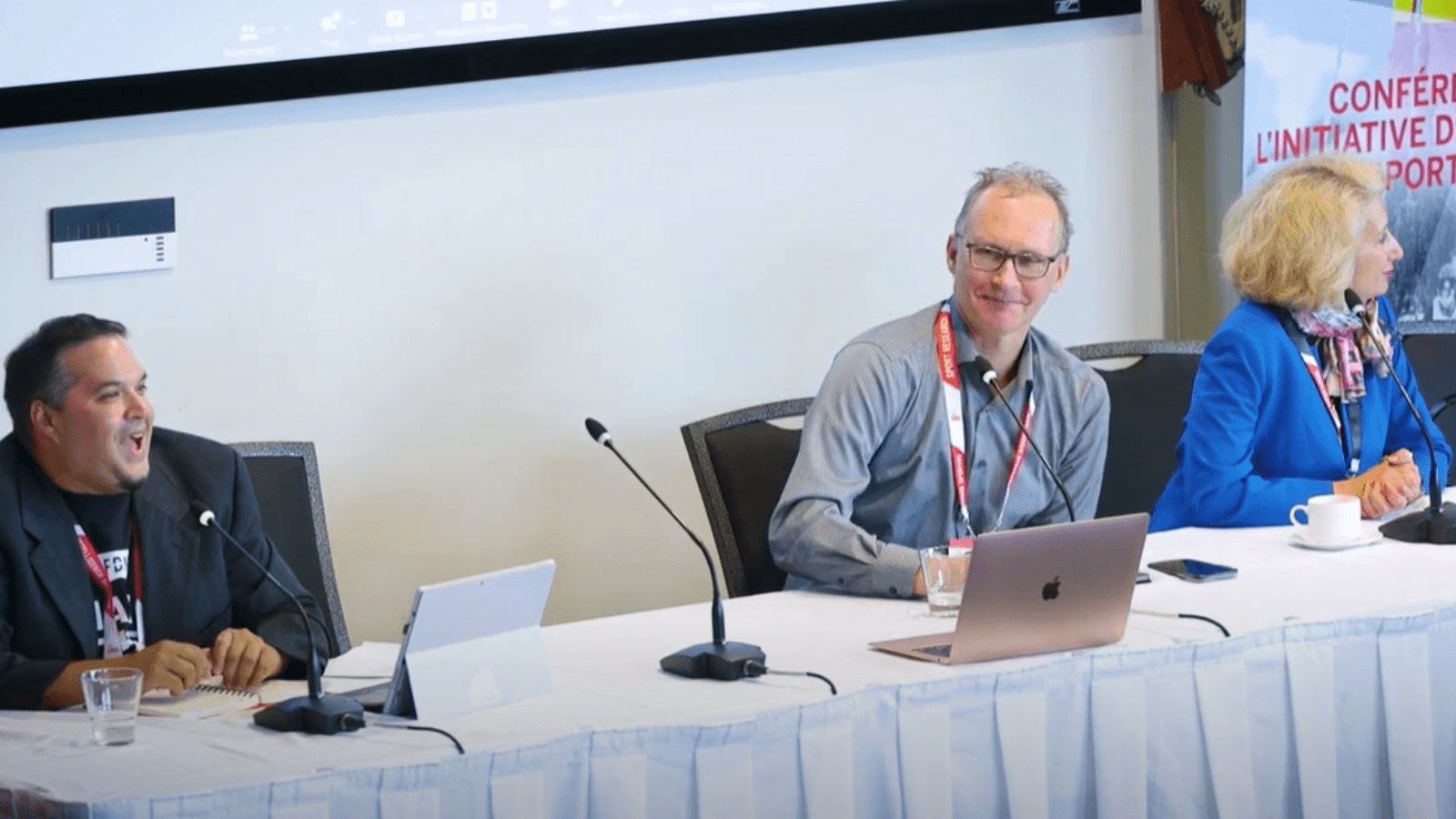
SCRI Panel: Trending topics in youth sport
- SIRC and Queen's University
- 2024
Knowledge Nuggets
knowledge nuggets
More Than an Exit
More Than an Exit: Leaving sport isn’t a moment, it’s a process. This review maps what athletes lose and what support makes the difference.
knowledge nuggets
The Logistics Problem
The Logistics Problem: Fees, transportation, and time are not “small obstacles.” This research shows how everyday logistics can quietly decide which kids get to play,
knowledge nuggets
The New Baseline
The New Baseline: Researchers argue neuromuscular warm-ups should be standard practice after cutting youth basketball injuries by 36%.
knowledge nuggets
The Weight Pressure Effect
The Weight Pressure Effect: Nearly 1 in 6 adolescent athletes reported extreme weight-control behaviours. This paper shows the ways coach and parent pressure can influence
knowledge nuggets
Picking teams with purpose
Picking teams with purpose: Choosing the right athletes goes beyond performance stats. These 10 factors can help guide your next roster
Picking teams with purpose: Choosing the right athletes goes beyond performance stats. These 10 factors can help guide your next roster
knowledge nuggets
Lost in translation?
Lost in translation? Terms like “athlete,” “player,” and “talent” aren’t as clear-cut as you think. Here’s why definitions matter.
knowledge nuggets
Fans care about good governance too
Fans care about good governance too: Turns out leading with integrity isn’t just good ethics, it’s good fan engagement.
Fans care about good governance too: Turns out leading with integrity isn’t just good ethics, it’s good fan engagement.
knowledge nuggets
Beyond awareness
Beyond awareness: A global call is asking sport psychology to move past cultural competence toward cultural safety, where athletes aren’t just accepted, they’re protected.
More Community Sport Resources
|
|
|
|
|
|
|
|
|
|
|
|