Health and Wellbeing
Health and wellbeing is an important contributor participation in sport. Our resources provide key insights on physical health, mental resilience, social wellbeing, and more.
Search Health & Wellbeing Resources
Top 10 resources
- SIRCuit Article: Balancing Psychological Load: New Perspectives on Recovery
- SIRCuit Article: Supporting the Psychological Wellbeing of Athletes: What Can Coaches do?
- SIRC Article: The psychology of recovery among endurance athletes
- SIRCuit Article: The Role of Nutrition in Sport Concussion Recovery
- Game Plan: Wellbeing for Olympic and Paralympic Athletes
- Canadian Centre for Mental Health in Sport
- How air pollution affects human health and sport performance
- SCRI: Men athletes’ self-compassion and masculinity
- Engaging Girls and Women in Sport Mini Series – Part 4: Connecting mind and movement
- SIRC Active Break Video Series
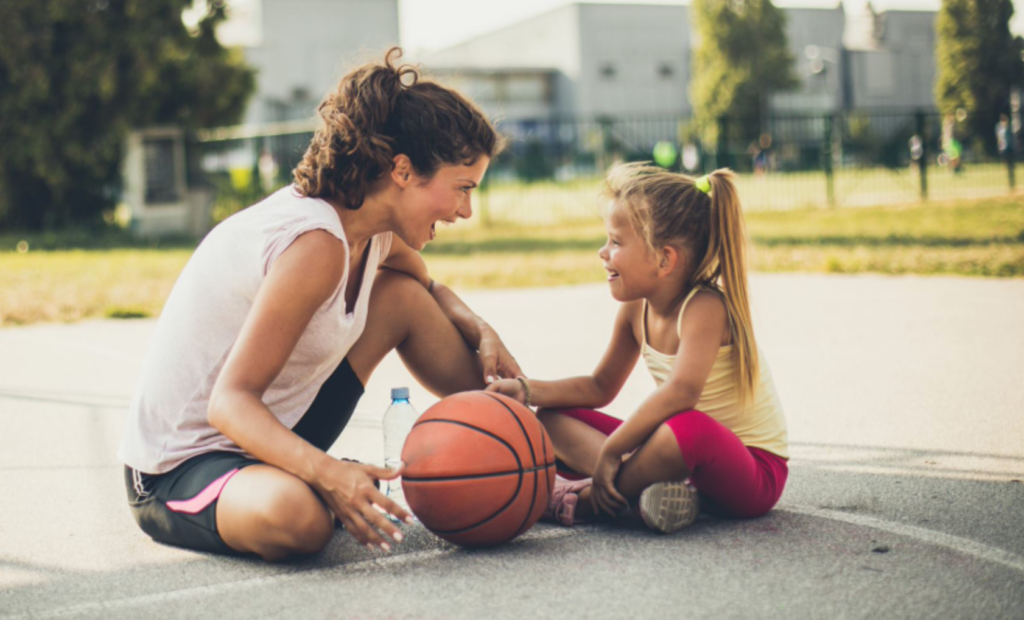
Featured resource
Jordan Sutcliffe, University of Wollongong

Featured resource
Public Health Agency Of Canada, University of Quebec in Montreal, and SIRC
Featured resource
Game Plan
Featured resource
Stuart Wilson, Joe Baker, and Nick Wattie
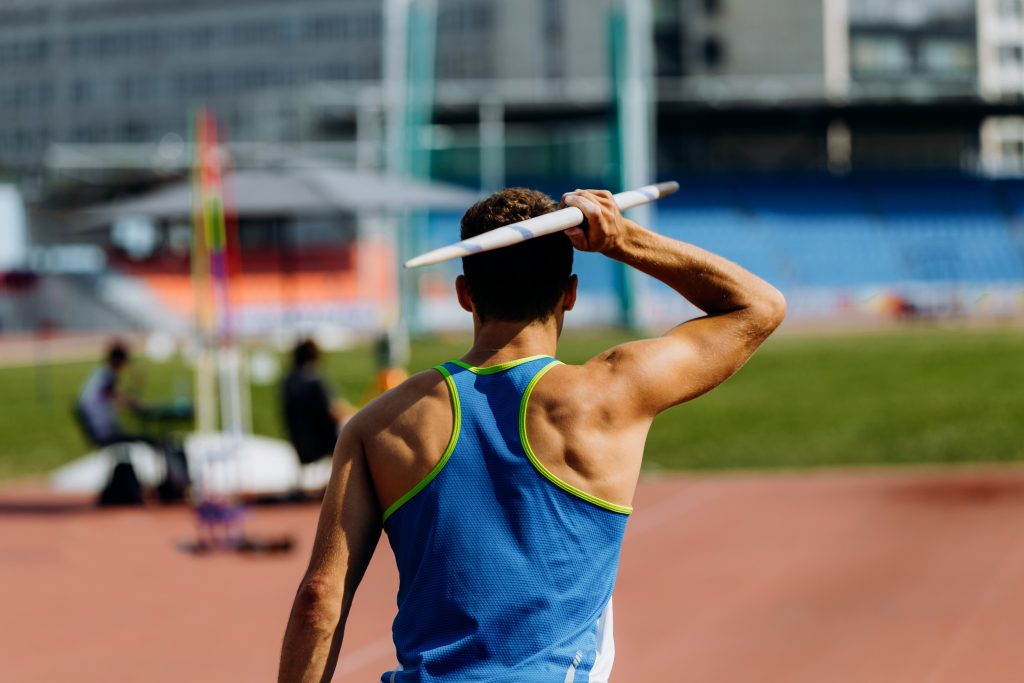
Featured resource
Jamie Bissett, University of Toronto
Quick Facts
How does sport contribute to social wellbeing?
Sport fosters social wellbeing by providing opportunities for individuals to engage with others in a team environment, which promotes communication, cooperation, and respect. Participating in sport helps build a sense of belonging, whether through a local sports club, school team, or community event. It encourages the development of leadership skills, empathy, and the ability to work with diverse groups of people. Sport also strengthens social networks and friendships, providing emotional support and a sense of connection, which are critical for mental health and overall life satisfaction.
How can sport environments help participants' mental health?
Sport environments that prioritize mental health create a foundation for athlete success and overall wellbeing. Coaches, trainers, and sport organizations play a critical role by fostering inclusive, supportive environments where athletes feel comfortable discussing mental health challenges without fear of stigma. By providing access to resources like mental health professionals, educational workshops, and peer support programs, sport organizations can help athletes manage stress, prevent burnout, and develop healthy mental habits. Emphasizing mental health as part of overall performance encourages athletes to view their wellbeing holistically, improving both their mental and physical outcomes.
What is Psychological Skills Training (PST), and how does it benefit athletes?
Psychological Skills Training (PST) is a method used to enhance an athlete’s mental capabilities, helping them manage pressure, focus better, and stay motivated during competition. PST involves techniques like goal setting, imagery (visualization), and positive self-talk, which help athletes improve their mental strength and resilience. These skills are essential in maintaining consistent performance, especially under high-pressure situations. PST not only enhances physical performance but also promotes mental wellbeing, aiding athletes in handling stress, overcoming setbacks, and improving confidence. This training benefits athletes across all levels, from recreational participants to elite competitors.
What is nutritional well-being?
Nutritional well-being refers to the state of health achieved through a balanced and adequate intake of nutrients essential for optimal physical and mental performance. It involves consuming a variety of foods, including fruits, vegetables, whole grains, lean proteins, and healthy fats, to meet the body’s energy and nutrient needs. Proper nutrition supports athletic performance, aids recovery, and helps maintain overall health, reducing the risk of chronic diseases.
How does the outdoor environment impact overall health, particularly in extreme heat or cold?
The outdoor environment can significantly affect overall health, especially during extreme temperatures. In extreme heat, athletes are at higher risk for heat-related illnesses, dehydration, and decreased performance. Conversely, extreme cold can lead to frostbite and hypothermia. It’s essential to adapt to these environmental factors by monitoring weather conditions, staying hydrated, dressing appropriately, and following safety guidelines. For more insights on how to manage activities in varying environmental conditions, visit our Environment page.
Video Resources
Using the Air Quality Index to make decisions about outdoor sport safety
- SIRC
- 2022
How air pollution affects human health and sport performance
- Loughborough University and SIRC
- 2022
Engaging Girls and Women in Sport Mini Series – Part 1: Getting Girls Back in the Game
- SIRC, Edmonton Tsunami, University of Guelph, and Brams United Soccer Club
- 2021
Sex and Gender Differences in Concussions – Reema Shafi
- SIRC and University of Toronto
- 2021
The role of physical activity and sport in reconciliation: A conversation with Wilton Littlechild
- University of Toronto
- 2023
Sport North Coaching Mini-Series – Part 3: Mental Wellness Considerations for Coaches
- Sport North Federation and SIRC
- 2021
Knowledge Nuggets
knowledge nuggets
More Than an Exit
More Than an Exit: Leaving sport isn’t a moment, it’s a process. This review maps what athletes lose and what support makes the difference.
knowledge nuggets
The Weight Pressure Effect
The Weight Pressure Effect: Nearly 1 in 6 adolescent athletes reported extreme weight-control behaviours. This paper shows the ways coach and parent pressure can influence
knowledge nuggets
The Missing Curriculum
The Missing Curriculum: Physical activity prevents and treats chronic disease, yet medical training barely covers it. This consensus lays out a fix.
knowledge nuggets
The heat is on
The heat is on: Extreme weather is threatening soccer’s future, but the game is fighting back. Here’s how sport’s biggest stage can become a force
knowledge nuggets
Supporting students’ return to school after concussions
Interviews with Canadian teachers and administrators revealed that while educators want to support students returning to school after concussion, most schools lack clear policies or
Interviews with Canadian teachers and administrators revealed that while educators want to support students returning to school after concussion, most schools lack clear policies or training. Providing step-by-step return-to-school protocols and professional development for staff could ensure students receive the academic accommodations and support they need to recover successfully.
knowledge nuggets
AI for Sport Nutrition?
New research shows AI tools like ChatGPT can accurately answer ultra endurance sport nutrition questions. Coaches and athletes can use these tools for quick, evidence-based
New research shows AI tools like ChatGPT can accurately answer ultra endurance sport nutrition questions. Coaches and athletes can use these tools for quick, evidence-based guidance to complement expert advice, support meal planning, and reinforce hydration and recovery strategies.
knowledge nuggets
Back to school, back to movement
A Canadian study found that schools can boost student activity levels with simple supports. Access to equipment during the day, partnerships with public health, and
A Canadian study found that schools can boost student activity levels with simple supports. Access to equipment during the day, partnerships with public health, and dedicated staff time all helped teens meet national physical activity guidelines. This shows how schools can set the stage for healthier, more active school years.
knowledge nuggets
The impact of body image on youth athletes’ performance
Research conducted with nearly 1,400 youth athletes found that when they focus on how their bodies appear, known as “body surveillance,” their performance suffers. This
Research conducted with nearly 1,400 youth athletes found that when they focus on how their bodies appear, known as “body surveillance,” their performance suffers. This can mean slower reaction times and less precise movements when competing. The research urges coaches and sport leaders to reduce appearance-based pressures and shift focus toward athletes’ confidence and functional abilities.
More Health and Wellbeing resources
|
|
|
|
|
|
|
|
|
|