- Home
- /
- Resources
- /
- Inclusion
- /
- Gender Equity
Gender Equity
Gender equity in sport refers to creating inclusive and welcoming sport environments for all genders. Our resources offer the latest research and insights related to creating participation opportunities for underrepresented genders.
Search Gender Equity Resources
Top 10 resources
- Key Considerations to Promote the Inclusion of Women, Girls and 2SLGBTQI+ Athletes
- Resources and Training to Support the Inclusion of Women, Girls and 2SLGBTQI+ Athletes in Sport
- Organizations Leading the Way to Support the Inclusion of Women, Girls and 2SLGBTQI+ Individuals in Sport
- SIRC Article: Understanding the Capacity of National Sport Organizations (NSOs) for Gender Equity: Recommendations for NSO Leaders and Policy Directors
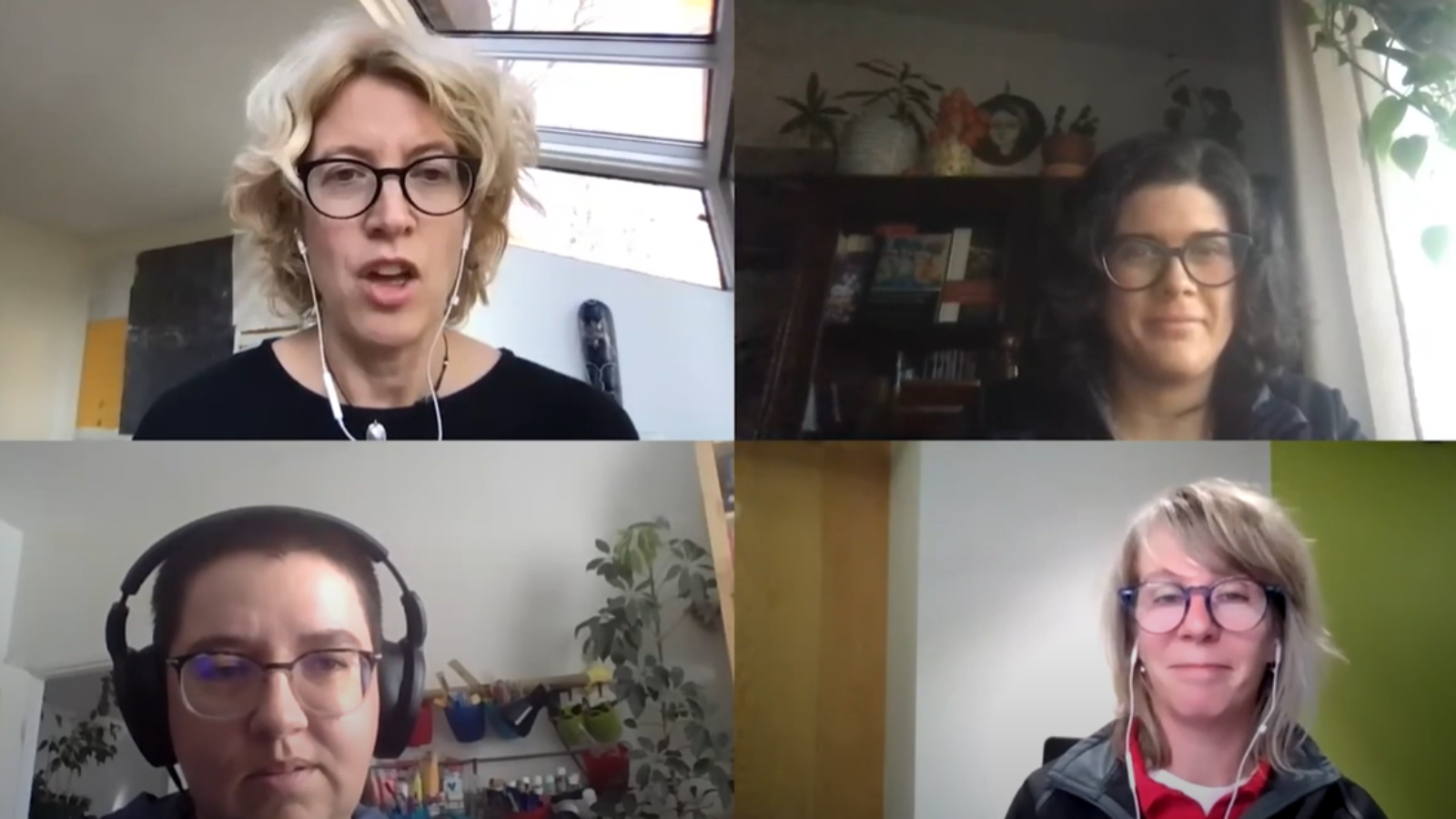
- SCRI Panel: Equality, Diversity and Inclusive Practices in Sport Organizations
- Working Group on Gender Equity in Sport
- Rally Report 2022: A Call For Better, Safer Sport for Girls
- What the Research Says About Mom’s Participation in Physical Activity and Sport
- Promoting Gender Equity through Sport
- The Leading Edge: Good Practices for Creating Gender-Equitable Boards in Sport
Featured resource
Hayley Baker

Featured resource
SIRC and Canadian Women & Sport
Featured resource
Laval University, Concordia University, and SIRC
Featured resource
SIRC and Canadian Women & Sport

Featured resource
Sport Information Resource Centre
Quick Facts
What is gender equity in sport, and why is it important?
Gender equity in sport means ensuring fair treatment and opportunities for all genders. It it crucial because it promotes inclusivity, fights discrimination, and allows everyone to participate and excel in sport. It means equipping those who have been disadvantaged with the appropriate resources to bring more balance into the system.
Which groups need more research and inclusion in sports to achieve gender equity?
Groups needing more research and inclusion for gender equity in sport include women, transgender, and non-binary athletes. Addressing their unique challenges and barriers is crucial for creating a truly equitable and inclusive sports environment.
What does 2SLGBTQI+ mean?
2SLGBTQI+ is the term that refers to individuals who are part of sexual and gender diverse communities. They refer to the following:
2S: Two-Spirit
L: Lesbian
G: Gay
B: Bisexual
T: Transgender
Q: Queer
I: Intersex (sex characteristics beyond sexual orientation, gender identity, and gender expression)
+ Inclusive of other individuals who may use additional terminology.
How can sport organizations move towards gender equity?
One step would be to implement minimum numbers as part of a gender-equal board. This could be done by requiring that a minimum number of the positions be held by each gender or non-binary individuals.
Have recruitment and hiring strategies are free of bias. This can be achieved by having individuals apply without indicating their gender or have hiring committees that are split equally by gender.
Create a welcoming and equitable culture by ensuring the proper policies are in place that emphasize respect and inclusion. Sport leaders should demonstrate those values so that other team members are encouraged to do the same.
Other examples of what can be done include making sure all genders are represented in promotional materials but ensuring to avoid stereotypes; making sure all genders have fair access to resources, equipment, and facilities; and ensure that gender-split programs are each getting the resources/funding that they deserve.
What are the benefits of gender equity in sport?
At the board and organizational level, it brings an increased number of perspectives, backgrounds, skills, which can improve innovation and decision-making. At the coaching and officiating level, it means more a wider pool of qualified candidates from which to recruit. At the workplace level, there are many benefits, but they can be summed up in an increased respect between coworkers and between levels within the organization. And in sport participation, it means the creation of a positive environment for all participants!
Video Resources
Experts Connect: Creating a Safe Environment for All Girls
- Canadian Women & Sport and Flags of Glory
- 2020
Mom’s Got Game! Getting active after childbirth
- SIRC
- 2022
Are Sport-Related Concussions Different in Males and Females?
- SIRC
- 2021
Study explores how ‘realistic’ images help postpartum mothers exercise (CBC News)
- Brock University, University of the Fraser Valley, SIRC and Government of Canada
- 2025
Mom’s Got Game (short version)
- SIRC
- 2021
MomsGotGame – Summer
- SIRC
- 2021
Knowledge Nuggets
knowledge nuggets
Why girls walk away
Why girls walk away: If you could go back in time, what would you tell your younger self about staying in sport? Young women who
knowledge nuggets
Health Info That Works for Everyone
Health Info That Works for Everyone: From menstrual health to menopause basics, these free easy-read booklets break down health topics in clear language to support
knowledge nuggets
Menstrual Health, Missing Support
Menstrual Health, Missing Support: For women with intellectual disabilities, gaps in menstrual health knowledge can affect independence, wellbeing and sport participation. This brief report highlights
knowledge nuggets
The Return to Sport After Baby
The Return to Sport After Baby: Canadian elite athletes report that lack of childcare and breastfeeding challenges make returning to training postpartum tougher than expected,
knowledge nuggets
Weight Shame Undermines Wellbeing in Girl Athletes
Weight Shame Undermines Wellbeing in Girl Athletes: Feeling ashamed about weight, now or in the future, is linked to lower flourishing for adolescent girls in
Weight Shame Undermines Wellbeing in Girl Athletes: Feeling ashamed about weight, now or in the future, is linked to lower flourishing for adolescent girls in sport. Shifting the focus from appearance to ability could boost mental health and sport experiences.
knowledge nuggets
Girls and Women Often Left Out of the Data
Girls and Women Often Left Out of the Data: Only 40% of sport research includes gender‑ or sex‑specific info for girls and women, meaning we’re
Girls and Women Often Left Out of the Data: Only 40% of sport research includes gender‑ or sex‑specific info for girls and women, meaning we’re making decisions without the full picture.
knowledge nuggets
Movement, recovery, repeat
What if postpartum health had a simple formula of move, rest, repeat? Canada’s latest guidelines say it’s time to rethink how we support new parents.
What if postpartum health had a simple formula of move, rest, repeat? Canada’s latest guidelines say it’s time to rethink how we support new parents.
knowledge nuggets
Want to improve girls’ body image in sport?
We had a link snafu on Tuesday. Let’s try this again with the right link! Want to improve girls’ body image in sport? Start by
We had a link snafu on Tuesday. Let’s try this again with the right link!
Want to improve girls’ body image in sport? Start by asking the experts, the girls themselves. This global study did just that.
More Gender Equity resources
|
|
|
|
|
|
|
|
|
|